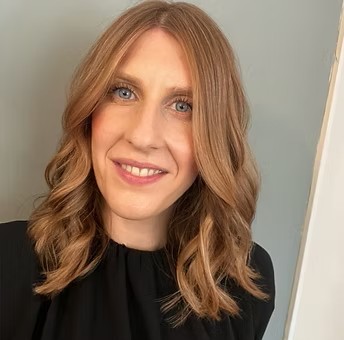
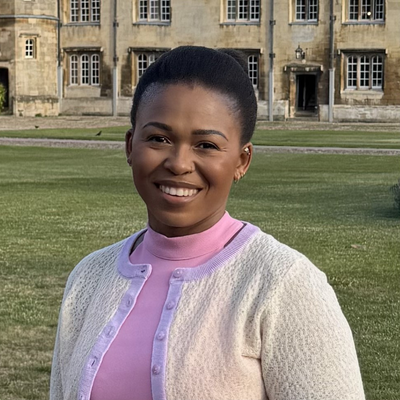
Lloyd-Fox lab

Our research investigates how the human brain develops from the earliest stages of life and how prenatal, family, social, and environmental experiences shape developmental trajectories.

By combining developmental neuroscience, psychology, global health, and community-engaged research, we seek to understand why children develop differently and how early experiences influence later cognitive, social, emotional, and mental health outcomes. 

A central focus of our work is measuring brain and behavioural development during the perinatal period and the first years of life. We use innovative, child-friendly neuroimaging techniques, including functional near-infrared spectroscopy (fNIRS) and electroencephalography (EEG), alongside behavioural assessments, caregiver-child interaction measures, and longitudinal cohort studies.

Our group has pioneered the application of fNIRS in infancy and continues to develop accessible brain-imaging tools for use in homes, clinics, and low-resource settings. 
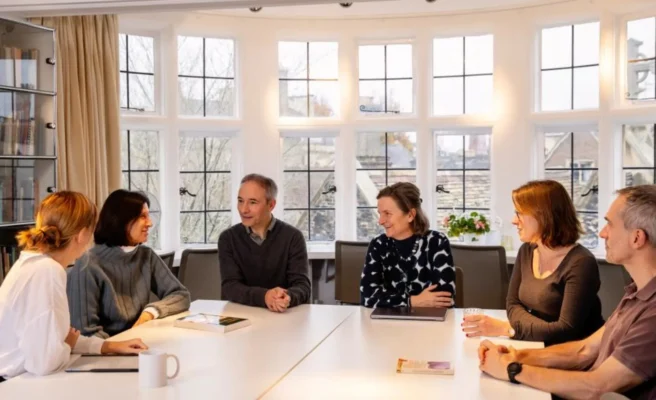
Group leader

Sarah Lloyd-Fox 

Sarah Lloyd-Fox 

Research Professor; Acting Deputy Director for the CAFR

Meet the team

Laura Carnevali

Laura Carnevali

Postdoc

Noelia Corral Ferre 

Noelia Corral Ferre 

Professional services staff

Anathi Kwinana

Anathi Kwinana

PhD student

Zayna Mian

Zayna Mian

MPhil student

Maria Rozhko 

Maria Rozhko 

PhD student

Matthew Weatherhead 

Matthew Weatherhead 

PhD student

More about our work

Through studies such as PIPKIN (Perinatal Imaging in Partnership with Families) and BRIGHT (Brain Imaging for Global Health), we follow children and families from pregnancy through early childhood to identify the biological and environmental factors that promote healthy development. We are particularly interested in how factors such as poverty-related adversity, family support, stress, nutrition, and early caregiving shape emerging brain function and behaviour across diverse populations in the UK and internationally.  

Our research also seeks to understand the earliest foundations of neurodevelopmental and mental health differences. By identifying early markers of developmental variation, we aim to inform approaches that support children and families during critical developmental windows. 

We use the lens of our CRAFT (Co-designing Research around Families’ Thoughts) programme to position caregivers and practitioners as active partners to ensure our research is responsive to family needs, improves representation in developmental science and engages with the public in an accessible and supportive way. 

Ultimately, our goal is to generate evidence that can improve early-life interventions, inform policy, and support families and communities in creating environments that enable children to thrive from the very beginning of life. 

Alumni

Ezra Aydin 

Liva Blanco Campos 

Laura Dodd 

Isobel Greenhalgh 

Dianna Ilkya 

Laura Katus 

Xiangyi Ma 

Bosiljka Milosavljevic 

Phenyo Morokanyane 

Charlotte Viktorsson 

Emma Visibelli 

Staci Meredith Weiss