Fearon lab

The Fearon Lab investigates how early experiences shape children’s emotional, social, and cognitive development. Through carefully designed studies and long‑term collaborations, we aim to generate evidence that can meaningfully improve children’s lives.

Our research spans local, national, and international contexts, bringing together diverse cohorts and communities to build a clearer picture of what helps children thrive from the very start of life. By working with partners in community settings, healthcare, and education, we ensure our findings translate into real‑world impact for children and families.

We collaborate closely with families, schools, and practitioners to understand the pathways that support resilience and wellbeing. By integrating developmental science, clinical research, and large‑scale cohort studies, the lab contributes to a growing evidence base that informs policy, practice, and early intervention across the UK and beyond.

Group leader

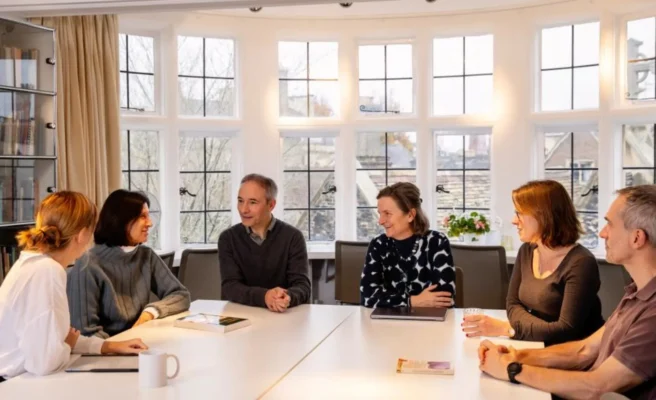
Pasco Fearon 

Pasco Fearon 

Professor of Child, Adolescent and Family Research; Centre Director for CAFR; Group Leader of the Fearon lab

Meet the team

Rand Alkhunaizi

Rand Alkhunaizi

MPhil student

Perah Alter 

Perah Alter 

Postdoc

Chloe Austerberry 

Chloe Austerberry 

Postdoctoral Fellow; Convenor for the Child Development Forum

Eleanor Chatburn

Eleanor Chatburn

Independent visiting researcher; Clinical Psychologist

Kaili Clackson

Kaili Clackson

Assistant Research Professor

Susan Golombok

Susan Golombok

Professor Emerita of Family Research; former Centre Director for CAFR

Louise Gray 

Louise Gray 

Engagement Coordinator; EA to the Director

Jean Anne Heng

Jean Anne Heng

Postdoctoral Fellow

More about our work

Key studies in this lab include Generation New Era – the first new UK-wide birth cohort study in more than a quarter of a century. Launched in November 2026, it will follow the lives of  30,000 babies born in 2026, as they grow and develop in new and rapidly changing world.

BLOOMS

BLOOMS is a new cohort study following babies born in neonatal intensive care.

It combines in-depth genomics with deep environmental measurement, with the aim of understanding how best to identify children who might be at risk of later difficulties with school readiness, and therefore who might benefit most from early support.

Children of the 2020s

Children of the 2020s is a major national cohort tracking children born in England in 2021.

The study explores family life, early learning, health, and social environments to understand the factors that support children’s development in a rapidly changing world.

RESET project

RESET is a UK study testing a novel approach to the prevention of adolescent mental health problems, focusing on core ‘transdiagnostic mechanisms’ involved in mental health and wellbeing. It focuses on supporting young people to boost their social and emotional skills, using techniques from Interpersonal Therapy and cognitive training tools.

Early Life Cohort Feasibility study

This feasibility study tests how best to build a new UK birth cohort that captures children’s earliest experiences.

It explores innovative ways of recruiting families, collecting data, and understanding early development to inform future large‑scale research.

SUNRISE programme (Burkina Faso)

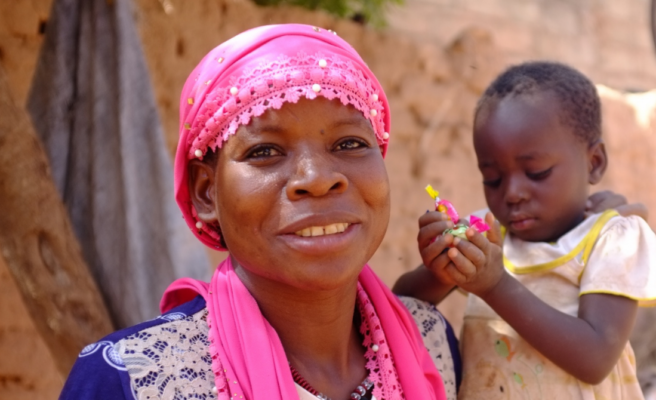
SUNRISE works with communities in Burkina Faso to support early childhood development through locally grounded media and behaviour‑change approaches.

The programme focuses on strengthening caregiving, promoting wellbeing, and improving developmental outcomes in early life.

SUMMIT trial

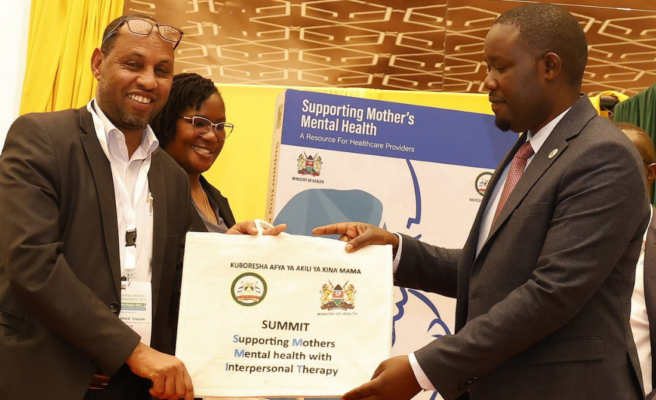
The SUMMIT trial evaluates a brief, scalable psychological intervention designed to support parents experiencing depression.

The study tests whether early, accessible support can improve parental wellbeing and strengthen parent–child relationships.

COSI

COSI is a clinical trial assessing a new intervention aimed at improving social communication in young children.

The study works closely with families to understand how targeted support can enhance children’s social development and everyday interactions.